Android App Store Developer: A Comprehensive Guide to Building and Optimizing Your App Store Presence
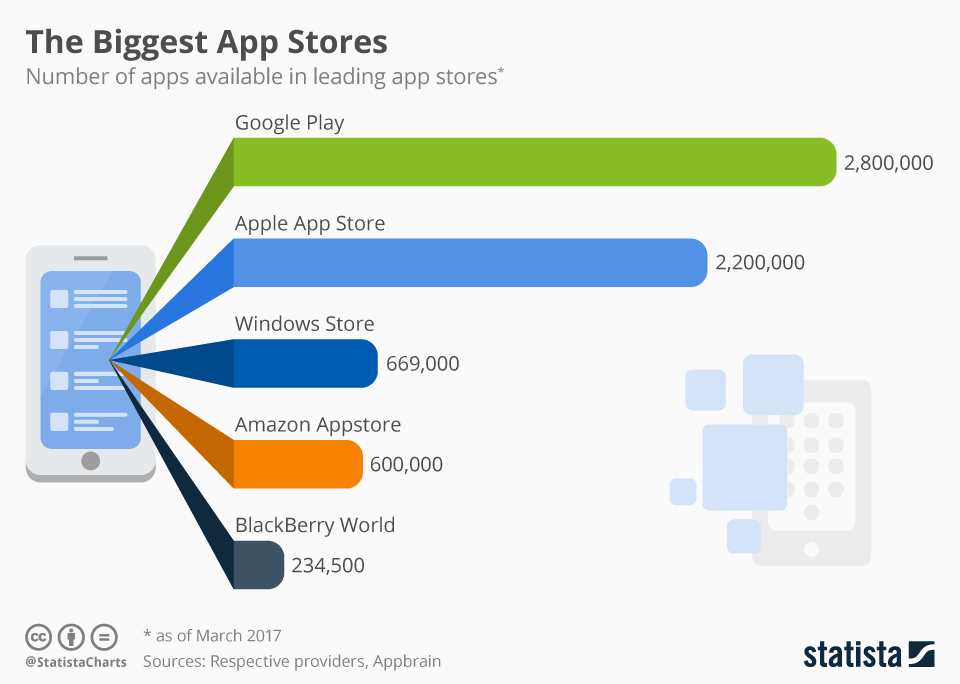
Are you an Android app developer looking to make your mark in the competitive world of mobile apps? With millions of apps available in the Android app store, it's crucial to create a strong presence that will attract users and drive downloads. In this comprehensive guide, we will walk you through the steps to become a successful Android app store developer.
In the first section, we will explore the importance of optimizing your app store listing. We will discuss how to choose the right keywords, write compelling descriptions, and create eye-catching visuals to increase your app's visibility and discoverability. By following these tips, you can significantly improve your app's chances of being found by potential users.
Understanding the Android App Store Landscape
When it comes to developing and promoting your Android app, understanding the Android app store landscape is crucial. The Android app store, also known as Google Play Store, is home to millions of apps across various categories. By gaining a deeper understanding of its unique features, you can position your app for success.
Categories and Top Charts
One of the key aspects of the Android app store is the categorization of apps. Apps are grouped into different categories such as games, productivity, social media, and more. By selecting the most relevant category for your app, you can ensure that it reaches the right audience.
Additionally, the Android app store features top charts that highlight the most popular and trending apps. These charts are based on factors like downloads, ratings, and user engagement. Getting your app featured in these top charts can significantly boost its visibility and attract more users.
User Reviews and Ratings
User reviews and ratings play a crucial role in the success of your app. The Android app store allows users to leave reviews and rate apps based on their experience. Positive reviews and high ratings can build trust among potential users and encourage them to download your app. On the other hand, negative reviews can deter users from installing your app. It's essential to actively engage with users, respond to their feedback, and address any issues to maintain a positive reputation.
Conducting Market Research
Before diving into app development, conducting thorough market research is essential. By understanding your target audience and analyzing competitor apps, you can identify opportunities and develop a unique selling proposition for your app.
Identifying Your Target Audience
Defining your target audience is crucial for creating an app that meets their needs and preferences. Start by identifying the demographic characteristics of your potential users, such as age, gender, location, and interests. Conduct surveys, interviews, and market research to gather data and gain insights into their preferences and pain points. This information will help you tailor your app to cater to their specific needs and stand out from the competition.
Analyzing Competitor Apps
Studying your competitors' apps can provide valuable insights into what works and what doesn't in your niche. Analyze their app store listings, features, user reviews, and overall user experience. Identify gaps or areas where you can offer a unique value proposition. By understanding your competition, you can position your app as a better alternative and attract users who are looking for something different.
Defining Your Unique Selling Proposition
Based on your market research and competitor analysis, develop a unique selling proposition (USP) for your app. Your USP should clearly communicate the unique benefits and value that your app offers compared to others in the market. It could be a unique feature, a better user experience, or a specific niche that you cater to. Highlighting your app's USP will help you differentiate yourself and attract users who are seeking the specific benefits you offer.
Optimizing Your App Store Listing
Optimizing your app store listing is crucial for increasing your app's visibility and attracting potential users. By following these tips, you can make your app stand out in the crowded app store and improve its chances of being discovered.
Choosing the Right App Name
Your app name plays a significant role in its discoverability. It should be descriptive, concise, and reflect the core functionality or purpose of your app. Consider using relevant keywords in your app name to improve its chances of appearing in search results. However, be careful not to overstuff keywords or make the name too long, as it may impact the user experience negatively.
Writing Compelling Descriptions
The app description is your opportunity to sell your app to potential users. It should clearly communicate the key features, benefits, and value that your app offers. Use persuasive language, highlight unique selling points, and address the pain points of your target audience. Break the description into paragraphs or bullet points for easy readability and emphasize the most important information upfront to capture users' attention.
Selecting Relevant Screenshots and Videos
Visuals are essential in conveying the user experience and functionality of your app. Include high-quality screenshots and videos that showcase the most compelling aspects of your app. Capture different features, user interfaces, and use cases to give users a comprehensive understanding of what they can expect. Ensure that the visuals are clear, well-lit, and properly represent the actual app experience.
App Ratings and Reviews
Positive ratings and reviews can significantly impact a user's decision to download your app. Encourage users to rate and review your app by implementing in-app prompts or incentives. Respond to user reviews, both positive and negative, and address any concerns or issues promptly. By actively engaging with users, you can build trust and a positive reputation, which will attract more users to download your app.
Enhancing User Experience
Creating a great user experience is vital for app success. Users are more likely to engage with and recommend apps that are intuitive, visually appealing, and provide value. Consider the following strategies to enhance the user experience of your app.
Intuitive App Design
Design your app with a user-centric approach, ensuring that it is easy to navigate and use. Use intuitive icons, clear labels, and logical navigation patterns to guide users through different sections of your app. Keep the interface simple and clutter-free, avoiding unnecessary features or overwhelming users with too many options. Conduct user testing to identify any usability issues and make improvements accordingly.
Smooth Navigation
Efficient navigation is key to a great user experience. Users should be able to access different sections or features of your app easily and quickly. Implement clear and accessible navigation menus, breadcrumbs, or gestures to simplify the user journey. Provide a search feature if your app has a large amount of content or functionality. Focus on minimizing the number of steps needed to complete tasks and ensure that users can easily return to previous screens if needed.
Engaging Content
Create content that is both informative and engaging for your users. Whether it's text, images, videos, or interactive elements, make sure it adds value to the user experience. Use clear and concise language, avoiding jargon or complex terms that might confuse users. Consider incorporating storytelling or gamification elements to make the experience more enjoyable and immersive. Regularly update your content to keep users engaged and provide fresh experiences.
Implementing App Store Optimization (ASO) Techniques
App Store Optimization (ASO) is the process of optimizing your app's visibility and discoverability in the app store. By implementing ASO techniques, you can increase organic traffic to your app and improve its rankings in search results.
Conducting Keyword Research
Keywords are the foundation of ASO. Start by identifying relevant keywords that are commonly used by your target audience when searching for apps similar to yours. Use keyword research tools to analyze search volume, competition, and relevance. Incorporate these keywords strategically in your app title, description, and metadata to improve your app's visibility in search results. Regularly review and update your keyword strategy based on user trends and changes in the app store algorithms.
Optimizing App Metadata
Your app's metadata includes elements such as the app name, description, and developer name. Optimize these elements by incorporating relevant keywords and compelling language that accurately describes your app's features and benefits. Use bullet points or paragraphs to break down information and make it easier for users to scan and understand. Ensure that your metadata is concise, error-free, and aligned with the expectations set by your promotional materials.
Leveraging App Analytics
App analytics provide valuable insights into user behavior, engagement, and retention. Use analytics tools to track important metrics such as app downloads, user acquisition channels, user engagement, and retention rates. Analyze this data to identify areas for improvement, understand user preferences, and optimize your marketing efforts. Regularly monitor analytics reports and use the insights gained to make data-driven decisions that will help you improve your app's performance.
Leveraging Social Media and Influencer Marketing
Building a strong online presence is essential for promoting your app and connecting with your target audience. Social media platforms and influencer marketing can help you reach a wider audience and generate buzz around your app.
Engaging with Users on Social Media
Create social media profiles for your app on platforms that are popular among your target audience, such as Facebook, Instagram, Twitter, or LinkedIn. Regularly share updates, news,and engaging content related to your app. Encourage users to follow and engage with your social media posts by asking questions, running contests, or offering exclusive promotions. Respond to their comments, messages, and mentions promptly to foster a sense of community and build a loyal user base.
Collaborating with Influencers
Influencer marketing can be a powerful tool to promote your app to a wider audience. Identify influencers in your industry or niche who have a significant following and align with your app's target audience. Reach out to them and propose collaborations such as sponsored posts, app reviews, or giveaways. Influencers can create engaging content about your app, share their experiences, and drive their followers to download and try your app. Choose influencers who have genuine engagement and credibility to maximize the impact of your campaign.
Creating Engaging Content
Content marketing is another effective way to generate interest and awareness for your app. Create informative and engaging content related to your app's niche. This can include blog articles, videos, infographics, tutorials, or podcasts. Share this content on your app's website, social media channels, and relevant online communities. By providing valuable content, you can establish yourself as an authority in your industry and attract users who are interested in your app's niche.
Utilizing Paid Advertising Campaigns
While organic strategies are important, paid advertising campaigns can significantly boost your app's visibility and reach. Consider investing in various advertising options to target a broader audience and drive app downloads.
Google Ads and App Install Campaigns
Google Ads offers various advertising formats, including search ads, display ads, and video ads, which can be effective in reaching potential users. With app install campaigns, you can specifically target users who are more likely to download your app. Set a budget, define your target audience, and create compelling ad creatives that highlight your app's unique features and value proposition. Continuously monitor and optimize your campaigns based on performance data to maximize your return on investment.
Facebook Ads and Audience Targeting
Facebook Ads provide powerful audience targeting options to reach users who are likely to be interested in your app. Define your target audience based on demographics, interests, and behaviors, and create visually appealing ad creatives that capture their attention. Experiment with different ad formats such as images, videos, or carousels to see which performs best. Monitor the performance of your ads and make adjustments to optimize your campaigns for better results.
App Store Advertising
Consider running ads directly within the app store to increase your app's visibility. App store advertising allows you to promote your app in search results or on the featured sections of the app store. Craft compelling ad copy and visuals that effectively communicate the value and benefits of your app. Set a budget and monitor the performance of your app store ads to ensure they are driving downloads and achieving your desired results.
Monitoring and Analyzing App Performance
Tracking your app's performance is essential for making data-driven decisions and optimizing your marketing efforts. By regularly monitoring and analyzing app analytics, you can identify areas for improvement and implement strategies to maximize your app's success.
Tracking App Downloads and User Acquisition
Monitor the number of app downloads and track which user acquisition channels are driving the highest number of installs. Analyze the performance of different marketing campaigns, referral sources, and user acquisition strategies to identify the most effective channels for acquiring new users. Optimize your marketing efforts by investing more in the channels that yield the best results.
Measuring User Engagement and Retention
Monitor user engagement metrics such as session duration, screen views, and in-app actions to understand how users are interacting with your app. Identify areas where users might be dropping off or experiencing friction, and make improvements to enhance the user experience. Measure user retention rates to assess the effectiveness of your app's onboarding process and the value it provides to users over time. Implement strategies to increase user retention, such as personalized notifications, rewards, or loyalty programs.
Analyzing User Feedback and Reviews
Pay close attention to user feedback and reviews to gain insights into user satisfaction and areas for improvement. Analyze the feedback for common themes or issues and prioritize addressing them. Use positive reviews as testimonials to highlight the strengths of your app, and respond to negative reviews in a timely and professional manner. Actively engaging with users and incorporating their feedback into your app's development will help you build a loyal user base and improve overall app performance.
Responding to User Feedback and Reviews
User feedback and reviews provide valuable insights into user satisfaction and areas for improvement. Actively engaging with users and responding to their feedback is crucial for building trust, improving your app's reputation, and attracting more users.
Responding to Positive Reviews
When users leave positive reviews for your app, take the time to respond and thank them for their support. Acknowledge their positive feedback and express your appreciation for their kind words. This shows that you value their support and encourages them to continue using and recommending your app to others.
Addressing Negative Reviews
Negative reviews can be challenging, but it's important to respond to them promptly and professionally. Apologize for any negative experiences users may have had and assure them that you are committed to addressing their concerns. Offer solutions or ask for more information to better understand their issues. By showing that you are responsive and proactive in addressing problems, you can turn negative experiences into positive ones and potentially win back dissatisfied users.
Using Feedback to Improve Your App
User feedback is a valuable source of insights for improving your app. Analyze the feedback you receive and identify recurring themes or issues. Use this information to prioritize bug fixes, feature enhancements, or usability improvements. Regularly communicate with your users about updates and improvements you have made based on their feedback. This demonstrates that you listen to your users and value their input, ultimately leading to a better app experience for all users.
In conclusion, becoming a successful Android app store developer requires a strategic and holistic approach. By optimizing your app store listing, enhancing user experience, implementing ASO techniques, leveraging marketing strategies, and staying updated with app store guidelines, you can increase your app's visibility, attract users, and achieve long-term success in the competitive Android app market.
Post a Comment for "Android App Store Developer: A Comprehensive Guide to Building and Optimizing Your App Store Presence"